Introduction
The casino industry has always been driven by innovation, from the introduction of slot machines to the rise of digital gaming platforms. Today, one of the most exciting developments shaping the future of casinos is the integration of advanced 3D architectural design. This evolution is not only redefining aesthetics but also transforming how players interact with gaming environments.
Modern casinos are no longer just places to gamble—they are immersive entertainment hubs. With the help of cutting-edge visualization technologies, developers and designers can now create highly engaging spaces that enhance customer experience, increase retention, and maximize profitability.
In this context, the emergence of IA architecture 3D has become a game-changer. By combining artificial intelligence with 3D modeling, casino developers can design intelligent layouts, optimize space utilization, and create visually stunning environments that attract a
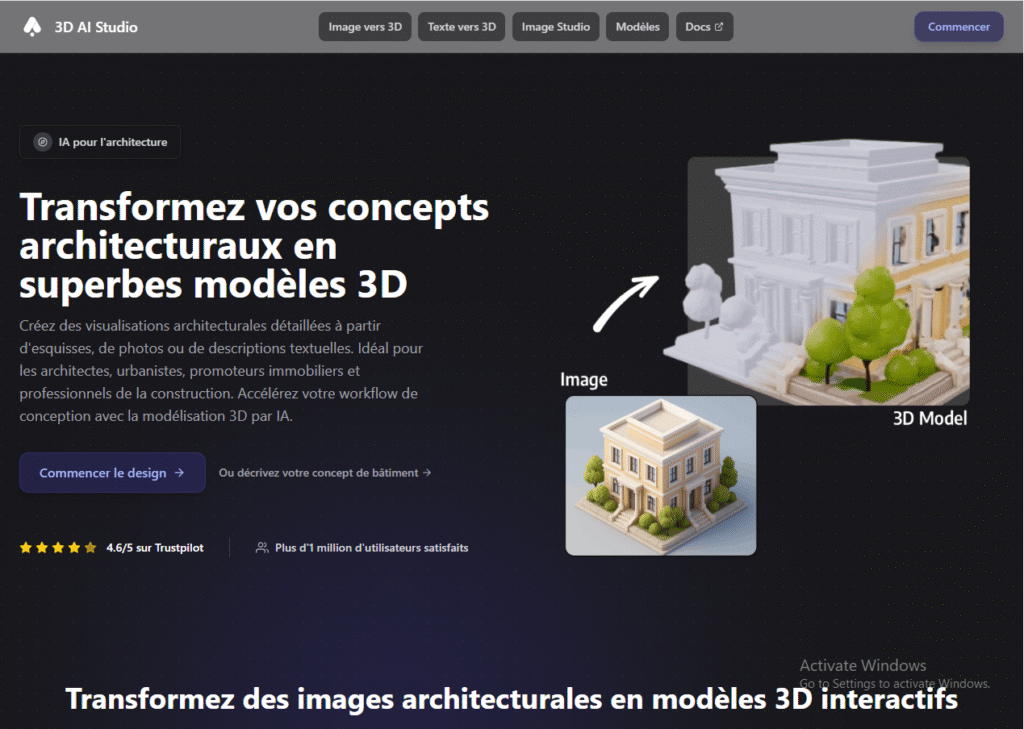
global audience.
The Evolution of Casino Architecture
Traditional Casino Layouts
Historically, casino layouts were designed with a single goal: keep players inside for as long as possible. This involved:
- Maze-like floor plans
- Limited visibility of exits
- Strategic placement of high-value games
While effective, these designs often lacked visual appeal and flexibility.
Transition to Experience-Based Design
As customer expectations evolved, casinos began focusing more on:
- Luxury interiors
- Thematic environments
- Integrated entertainment zones
This shift marked the beginning of a new era where design played a critical role in customer engagement.
The Role of 3D Technology in Casino Design
Visualization Before Construction
One of the biggest advantages of 3D design is the ability to visualize a casino before it is built. This allows stakeholders to:
- Identify design flaws early
- Experiment with different layouts
- Reduce construction costs
Enhancing Creativity
3D tools empower designers to think beyond traditional constraints. From futuristic gaming floors to themed environments inspired by global destinations, the possibilities are endless.
Real-Time Modifications
Unlike traditional blueprints, 3D models can be modified instantly. This enables rapid prototyping and ensures that the final design aligns perfectly with business objectives.
Benefits of AI-Driven 3D Architecture in Casinos
Smart Space Optimization
AI algorithms analyze player behavior and suggest optimal placement for:
- Slot machines
- Table games
- VIP lounges
This ensures maximum engagement and revenue generation.
Improved Customer Flow
With intelligent design, casinos can manage foot traffic more effectively, reducing congestion and enhancing the overall experience.
Personalized Gaming Environments
AI can tailor environments based on customer preferences, creating a more personalized and immersive experience.
Designing for Player Psychology
Color and Lighting
Colors and lighting play a crucial role in influencing player behavior. For example:
- Warm tones create a welcoming atmosphere
- Dynamic lighting enhances excitement
3D simulations allow designers to test these elements before implementation.
Sound Design
Sound is another critical factor. From the ringing of slot machines to ambient background music, every element is carefully crafted to keep players engaged.
Layout Strategy
Strategic placement of games ensures that players are naturally guided through the casino, increasing the likelihood of extended play.
The Integration of Virtual Reality
Virtual Walkthroughs
Before construction begins, stakeholders can take virtual tours of the casino. This helps in:
- Better decision-making
- Enhanced collaboration
- Accurate design validation
Training and Simulation
VR can also be used to train staff and simulate real-world scenarios, improving operational efficiency.
Sustainability in Casino Architecture
Eco-Friendly Materials
Modern casinos are increasingly adopting sustainable materials to reduce their environmental impact.
Energy Efficiency
3D modeling helps in designing energy-efficient systems, including:
- Lighting
- HVAC systems
- Water management
Smart Resource Management
AI-driven systems ensure optimal use of resources, reducing waste and operational costs.
The Impact on Revenue Generation
Increased Player Retention
An engaging environment encourages players to stay longer, directly impacting revenue.
Enhanced Brand Image
A well-designed casino creates a strong brand identity, attracting high-value customers.
Competitive Advantage
Casinos that adopt advanced design technologies gain a significant edge over competitors.
Case Studies in Modern Casino Design
Luxury Integrated Resorts
Many high-end casinos have successfully integrated 3D design to create:
- Themed gaming zones
- Luxury accommodations
- Entertainment complexes
Digital-First Casinos
Online casinos are also leveraging 3D environments to create immersive virtual gaming experiences.
Challenges in Implementing 3D Architecture
High Initial Investment
While the benefits are significant, the initial cost of implementing 3D and AI technologies can be high.
Technical Expertise
Designing and managing 3D environments requires specialized skills and expertise.
Integration with Existing Systems
For established casinos, integrating new technologies with existing infrastructure can be challenging.
Future Trends in Casino Design
Fully Immersive Environments
The future of casinos lies in fully immersive experiences that blend physical and digital elements.
AI-Powered Personalization
Advanced AI systems will enable real-time personalization, enhancing customer satisfaction.
Smart Casinos
From automated services to intelligent security systems, the concept of smart casinos is becoming a reality.
Conclusion
The casino industry is undergoing a remarkable transformation, driven by advancements in technology and changing customer expectations. The integration of AI and 3D architecture is not just a trend—it is the future of casino design.
By embracing these innovations, casinos can create immersive, efficient, and sustainable environments that attract and retain players. While challenges remain, the benefits far outweigh the costs, making this a worthwhile investment for forward-thinking operators.
As the industry continues to evolve, one thing is clear: the casinos of tomorrow will be smarter, more engaging, and more visually stunning than ever before.